
Direct answer: global buyers should not time every China building-material order from one freight index. Containerized products such as tiles, sanitaryware, lighting, hardware, fixtures and smaller finish packages are affected by container spot rates and space availability. Bulk or breakbulk materials such as cement, clinker, steel coil, structural steel, rebar and some stone or precast packages follow different vessel, port and cargo drivers.
In late June 2026, Drewry's World Container Index showed container spot rates rising, with the composite WCI reaching US$4,166 per 40ft container on 25 June 2026. Shanghai to Los Angeles and Shanghai to New York also moved higher that week. That does not automatically mean every building-material shipment is uneconomic. It means buyers need to separate the material schedule by freight type before approving purchase timing.
For My Building List clients, the useful question is not "are freight rates high?" The useful question is: which items should be ordered, consolidated, delayed, split, or quoted again because the landed-cost assumption has changed?

Why container freight and dry bulk freight can move differently
Building materials are not one freight category. A pallet of porcelain tiles, a container of bathroom fixtures, a mixed lighting package and a bulk shipment of cement are exposed to different market forces.
Container freight is usually driven by box availability, vessel space, trade-lane imbalance, port congestion, blank sailings, peak-season surcharges, bunker adjustments and short-term importer demand. A buyer shipping cartons, pallets or consolidated mixed materials from China normally feels this through FCL or LCL quotes.
Dry bulk and breakbulk cargo behaves differently. Cement, clinker, aggregates, steel coil, rebar, structural steel, large stone blocks, oversized equipment and some precast components depend on vessel class, parcel size, loading port, discharge port, handling equipment, stowage, laycan, cargo readiness and destination-side unloading capability. The Baltic Dry Index is useful as a market signal, but it is not a delivered quote for one construction project.
The June 2026 signal: containerized materials need closer quote control
Drewry's 25 June 2026 assessment said its WCI composite index rose to US$4,166 per 40ft container, supported by higher Transpacific rates. Shanghai to Los Angeles rose to US$5,750 per 40ft, while Shanghai to New York rose to US$7,149 per 40ft. Asia-Europe rates were also elevated, with Shanghai to Rotterdam at US$4,392 per 40ft and Shanghai to Genoa at US$5,759 per 40ft.
These benchmark routes are not direct quotes to every destination market. They are still useful because they show the market direction: containerized goods were facing rate pressure and space constraints in late June 2026.
For building-material buyers, this matters most for:
- Tiles and flooring shipped by pallet or full container.
- Bathroom vanities, sanitaryware, tapware and accessories.
- Lighting, switches, sockets, smart controls and electrical components.
- Cabinetry, doors, hardware and mixed interior finish packages.
- Small machinery, pumps, spare parts and project equipment that can fit into containers.
If these items are already approved and the project delivery window is fixed, waiting for a perfect freight rate can create more risk than it saves. But if the specification is still changing, the buyer should avoid locking production without rechecking freight validity, container loading plan and delivery timing.
Bulk and breakbulk materials need a separate decision path
Bulk and breakbulk cargo should not be judged by container headlines alone. A project considering cement, steel, large structural components or heavy civil materials needs a different comparison.
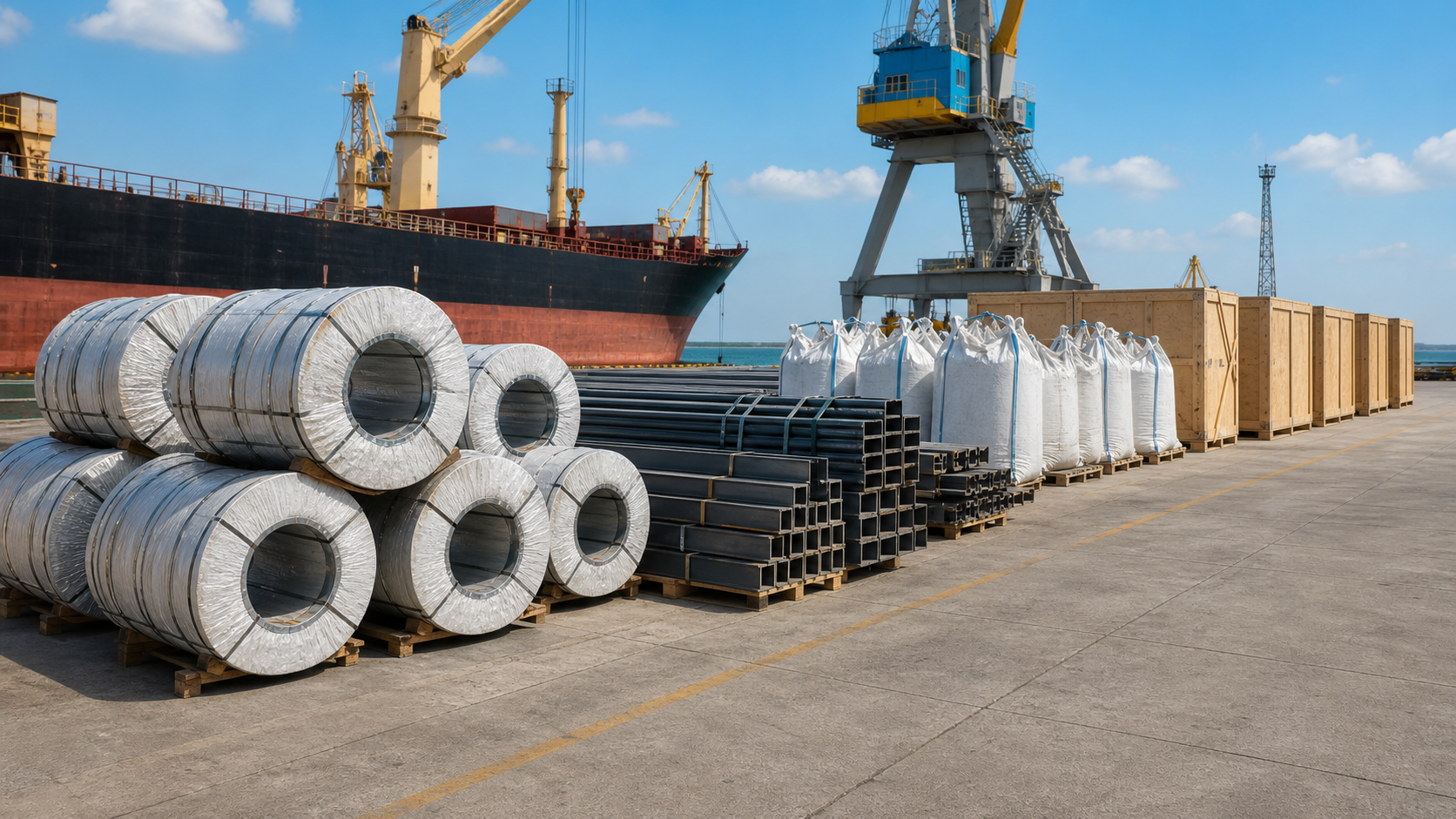
For these categories, the buyer should ask:
- Is the shipment large enough for bulk or breakbulk economics, or is container shipping still more practical?
- Which Chinese port can handle the cargo efficiently?
- Can the destination port receive the vessel or cargo type?
- Are unloading equipment, storage, customs clearance and local transport already planned?
- Does the product need destination-market certification, mill certificates, test reports or project-side engineering review?
- Is the supplier quoting EXW, FOB, CFR, CIF or delivered pricing?
- What happens if vessel availability changes before the cargo is ready?
A lower dry-bulk market signal can create an opportunity, but only if the product, port path and compliance package are ready. Otherwise, the saving can disappear through handling delays, storage charges, documentation gaps or last-mile delivery problems.
Freight planning by material category
| Material category | Typical freight logic | Procurement move |
|---|---|---|
| Tiles, flooring and surface finishes | Mostly containerized; heavy and fragile, so pallet plan and breakage allowance matter. | Approve samples early, recheck container freight before deposit, and avoid small fragmented shipments. |
| Sanitaryware, tapware and bathroom packages | Mostly containerized; mixed cartons and fragile items need consolidation control. | Consolidate compatible items and confirm packaging, spare parts and destination-market documentation where relevant. |
| Lighting, electrical and smart systems | Container or LCL for bulk orders; air freight only for urgent samples or replacements. | Do not let freight urgency bypass datasheet, voltage, driver and compliance checks. |
| Cabinetry, doors and joinery | Containerized; volume efficiency depends on packing design and project sequencing. | Lock drawings, finishes and hardware before production, then build a loading plan around delivery stages. |
| Cement, clinker and large raw materials | Bulk cargo when volume is large enough; otherwise often impractical for smaller projects. | Check port handling, local regulation, storage, discharge plan and total delivered cost before chasing headline savings. |
| Steel coil, structural steel, rebar and precast items | Bulk, breakbulk or container depending on size, coating, weight, volume and destination handling. | Confirm standards, mill certificates, packing, corrosion protection and unloading requirements before booking freight. |
When to order now, and when to wait
Freight volatility does not create one universal answer. It creates a checklist for timing decisions.
Order sooner when the item is approved and site timing is fixed
If samples are approved, drawings are stable, documentation is acceptable and the site needs the goods in a defined delivery window, the buyer should usually prioritize schedule certainty. Requote freight, confirm quote validity and reserve space instead of waiting for rates to move down.
Wait or rework the package when the specification is still moving
If the design, quantities, finishes or compliance requirements are still changing, do not rush into production just because the factory price looks attractive. Freight pressure can make small revisions expensive if the shipment has to be split, repacked or delayed.
Split samples from bulk goods
Samples can move by courier or air when the approval decision is urgent. Bulk goods should normally be planned by sea freight unless the item is small, high value and genuinely time-critical.
Consolidate where the schedule allows
For containerized materials, consolidation can reduce handling complexity and improve container utilization. It works best when every supplier follows the same labelling, packing, inspection and document rules. Consolidation is risky when one late supplier blocks the whole shipment.

What to recheck before paying a deposit
Before approving a China building-material order in a volatile freight market, ask for a short freight-validity review:
- Incoterms: confirm whether the supplier quote is EXW, FOB, CFR, CIF, DAP or another term.
- Freight validity: check how long the ocean freight quote is valid and what surcharges can change.
- Container plan: estimate CBM, weight, pallet count, stackability and whether the order is FCL or LCL.
- Destination charges: include port charges, customs clearance, tax, local delivery and site access assumptions.
- Insurance: confirm insured value and what damage evidence is required for claims.
- Documentation: collect commercial invoice, packing list, certificate of origin, datasheets, test reports and project-specific documents.
- Inspection: define what must be checked before balance payment or shipping release.
- Schedule buffer: add buffer for port congestion, customs queries, supplier delays and last-mile delivery.
This is the same reason a landed-cost comparison matters more than a factory unit price. Freight volatility changes the delivered number, not just the shipping line item.
Common mistakes in a freight-moving market
- Using one index as the answer. WCI, SCFI and BDI are useful signals, but your project needs route, cargo, date and destination-specific quotes.
- Comparing container cargo with bulk cargo. A container-rate spike does not tell you the cost of a bulk cement cargo, and a dry-bulk signal does not price a mixed bathroom package.
- Ignoring packing design. Poor packing can waste container space or increase breakage, especially for tiles, stone, sanitaryware and glass.
- Letting freight urgency override QA. Faster shipping does not fix wrong samples, missing documents or weak inspection criteria.
- Forgetting destination-side cost. Port arrival is not the same as delivery to a warehouse or project site.
How My Building List helps
My Building List helps global buyers turn a material schedule into a practical sourcing and freight plan. The workflow is built around real procurement decisions:
- Separate the material schedule into container, LCL, bulk, breakbulk and local-buy categories.
- Shortlist Chinese factories by specification, MOQ, export readiness and documentation quality.
- Coordinate samples, finish boards or product references before bulk production.
- Compare factory price against landed cost, including freight, insurance, tax, duties, clearance and delivery assumptions.
- Plan consolidation, packing, labelling, inspection and shipment handover.
- Identify categories where China sourcing is worth pursuing and categories where local supply is safer.
If you are still building the category list, start with the procurement checklist and review the material categories My Building List can source.
FAQ
Should global buyers delay China orders when container freight rises?
Not automatically. If the product is approved and site timing is fixed, delay can create more cost than it saves. Recheck freight validity, confirm space and compare the full landed cost before deciding.
Are BDI and container freight indexes the same thing?
No. BDI is a dry bulk market signal based on vessel and route assessments. Container indexes such as WCI or SCFI track containerized freight. Building-material buyers should use them as market indicators, then request cargo-specific quotes.
Which building materials are most exposed to container freight?
Tiles, flooring, sanitaryware, tapware, lighting, hardware, cabinetry, doors, small equipment and mixed finish packages are commonly containerized and should be checked against FCL or LCL rates.
Which materials may need bulk or breakbulk planning?
Cement, clinker, large steel cargo, rebar, structural steel, oversized stone, precast components and heavy equipment may need bulk, breakbulk or special cargo planning depending on quantity, size and destination handling.
What should I send for a freight-aware quote?
Send drawings, BOQ or material schedule, quantities, destination country and city, required delivery window, packaging expectations, compliance requirements and any site-access limits. This lets the sourcing team compare product cost and freight assumptions together.
Next step
If you are planning China building-material procurement for a global project, My Building List can help separate your material schedule by freight type, supplier readiness and landed-cost risk before you commit to production.
Send your material schedule, review the sourcing process, or compare building material categories for your next order.
2026 Buyer Action Checklist
Before approving a building-material order, separate containerized, bulk and breakbulk cargo in the procurement schedule. Confirm packed dimensions and weights, supplier location, loading method, destination route, quote validity, insurance basis and the party responsible for consolidation or port handover.
- Recheck freight before deposit if the commercial decision depends on an older indicative rate.
- Update the estimate when final packaging changes cubic volume, weight or container count.
- Keep fragile finishes, long items and dense materials visible in the loading-risk review.
- Compare delay and replacement exposure, not only the headline freight rate.
Connect Freight Planning to Supplier Decisions
Freight can change which supplier combination is economical. A lower product quote may lose its advantage if it requires a separate LCL shipment or distant consolidation route. Compare the package through the landed-cost method and use the LCL vs FCL checklist.
Can My Building List guarantee future freight rates?
No. Freight quotes have validity periods and remain subject to carrier, route and cargo conditions. We can coordinate current inputs and show assumptions for buyer review. Request an updated project estimate.